
Geotechnical Engineering
Slope Stability and Site Assessment for Hillside Construction
Understanding soil mechanics, failure modes, and assessment protocols before breaking ground on a sloped Canadian property.
Read articleA reference for engineers, homeowners, and land developers working with hillside sites — from initial site assessment through retaining structure selection and long-term drainage management.
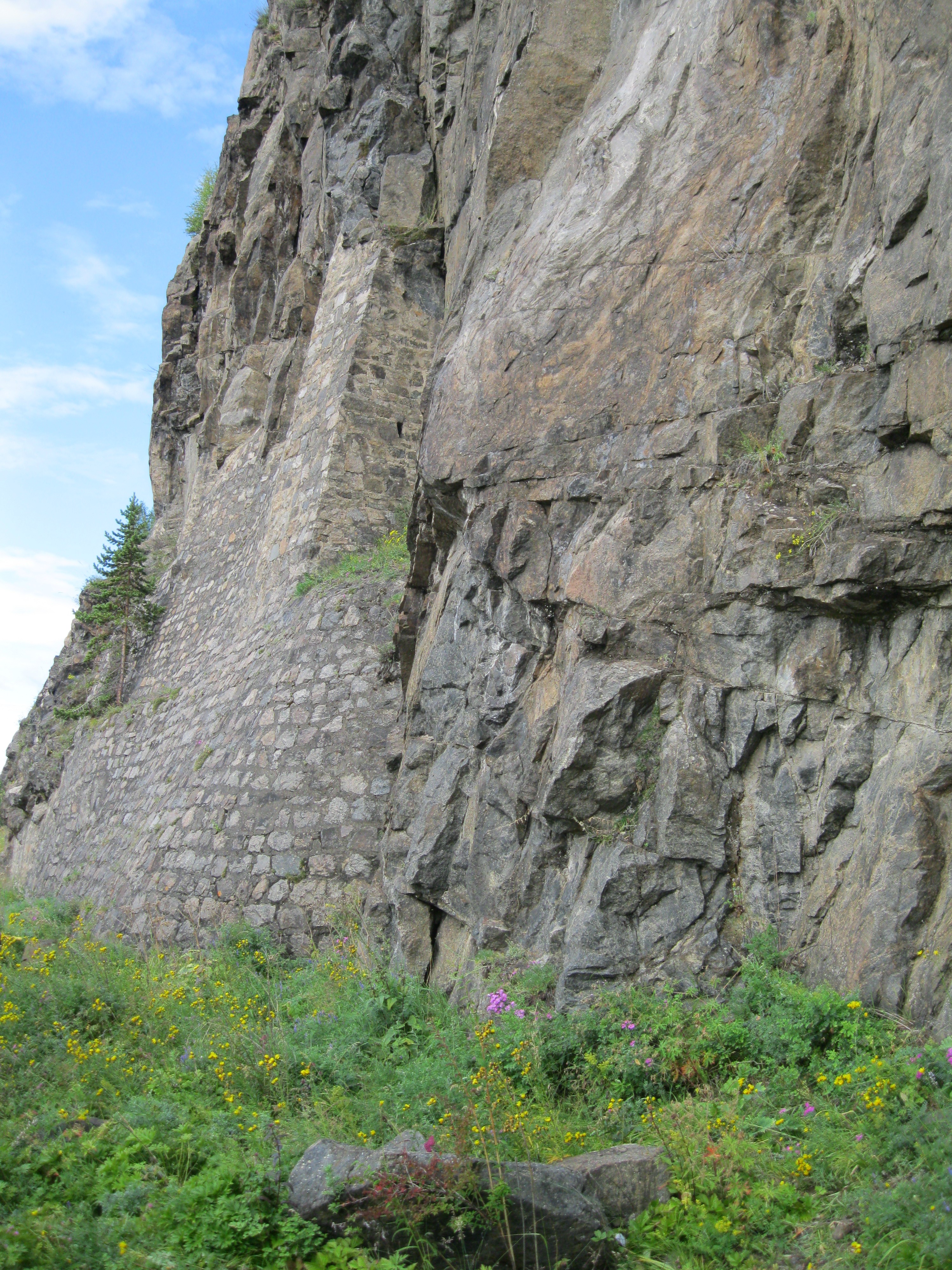
Terrain Type
Hillside & Slope
Gradient-dependent site classification
Primary Concern
Slope Stability
Geotechnical assessment before design
Drainage Priority
Surface & Subsurface
Swales, French drains, catch basins
Canadian Context
Freeze-Thaw Cycles
Seasonal soil movement and frost heave
Geotechnical Engineering
Understanding soil mechanics, failure modes, and assessment protocols before breaking ground on a sloped Canadian property.
Read article
Structural Design
Comparing concrete, timber, gabion, and segmental block systems for retaining walls subject to Canadian frost conditions.
Read article
Hydrology & Drainage
Swales, interceptor drains, and grading strategies for directing water away from foundations on hillside lots.
Read articleCanada's National Building Code specifies frost depth requirements that vary by province and municipality. In most of British Columbia's interior and the Prairie provinces, frost penetration can reach 1.5 to 2.4 metres. Hillside foundations must account for differential frost heave — the uneven lifting of soil that occurs where slope aspect and soil drainage vary within a single building footprint.
Most Canadian municipalities impose setback requirements from the top and toe of slopes. In British Columbia, for example, the Hazard Lands policies of many Regional Districts prohibit construction within a specified horizontal distance of a slope exceeding 15 degrees. Alberta's Land Use Framework similarly directs that geotechnical assessments are required before subdivision approval on hillside parcels. Local zoning bylaws should always be consulted early in the design process.
Developing a hillside lot often involves creating terraced platforms through a combination of cut and fill operations. A well-engineered cut-fill balance minimises the volume of material transported off-site and reduces the risk of unstable fill slopes. Compaction standards for fill material are typically governed by provincial building codes and the engineer-of-record's specifications.
Deep-rooted native species — such as red osier dogwood, Saskatoon berry, and various willow species — provide both mechanical root reinforcement and hydraulic regulation of soil moisture on Canadian hillsides. Bioengineering techniques, including live staking and brush layering, are increasingly specified alongside conventional erosion control measures in provincial environmental assessment conditions.
Use the form to send general inquiries about the content on this site. This form does not connect to a professional engineering consultation service.
Location
Canada
Coverage
All provinces and territories